Job-Site Ride-Alongs: What a Second Set of Experienced Eyes Actually Catches
Some problems only show up on an actual job site. Here's what a mentor is usually looking for during a ride-along, and why it's different from a manufacturer's training visit.
Why the Job Site Tells a Different Story Than the Numbers Do
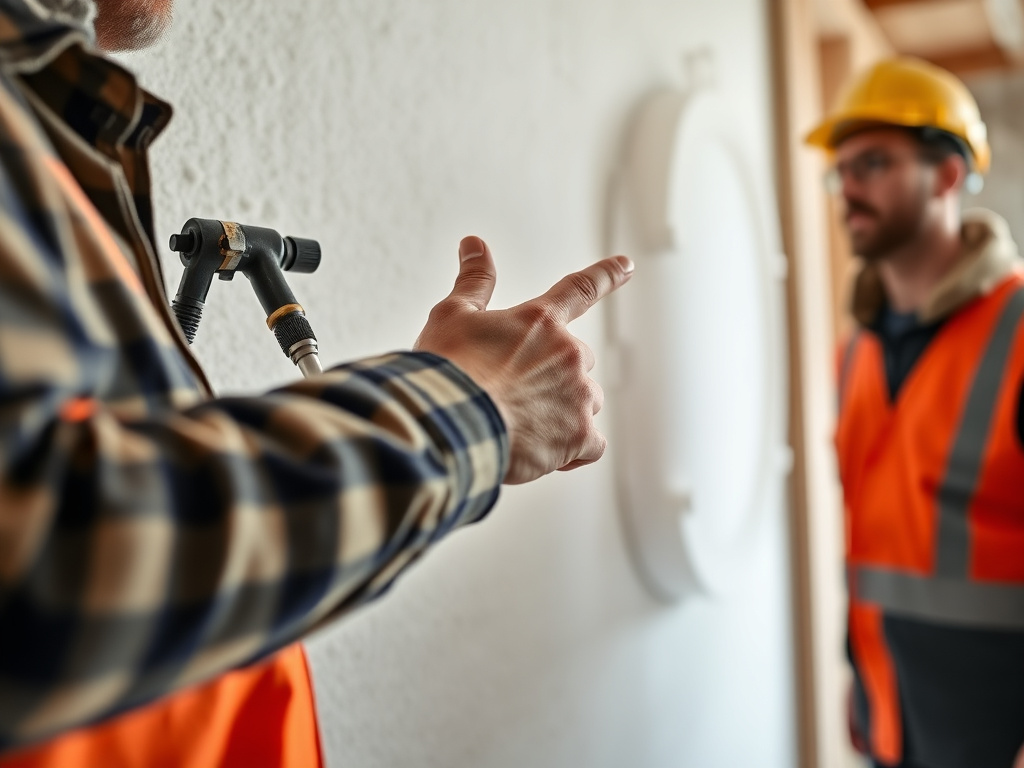
You can learn a lot about a business from its P&L, but a job site tells you things the numbers can't — how a crew actually moves, where time disappears between setup and spray, whether the quality control you think is happening is actually happening. A lot of the gap between a business that's profitable and one that's barely getting by traces back to things that only show up when someone's standing on the job watching.
That's the point of a ride-along: not a technical inspection in the manufacturer-training sense, but a business-minded look at how the crew's actual work translates into your actual margin.
Crew Pacing and Process
One of the first things an experienced eye picks up on is pacing — how long setup takes relative to spray time, how much downtime happens between steps, whether the crew has a consistent sequence or is improvising job to job. A crew that's technically skilled but disorganized can lose real hours to inefficient setup and cleanup without anyone noticing, because the job still gets done — just slower and less profitably than it should.
This is usually one of the fastest wins from a ride-along: small process changes — how equipment gets staged, how the crew sequences a multi-room job — that don't require new hires or new equipment, just a better routine.
Material Usage and Waste
Waste is another place that's easy to miss from the office. Overspray, off-ratio material that gets scrapped, inconsistent thickness that means redoing sections — all of it eats into margin in ways that are hard to trace back to a specific job without watching the application happen. An experienced mentor watching the crew work can often spot a pattern — a technique habit, an equipment setting, a material-handling step — that's costing more than the crew realizes.
This isn't about catching anyone doing something wrong. Most of the time it's a habit nobody's ever flagged, because nobody with the right experience has watched closely enough to notice it.
Quality Control — What's Actually Being Checked
Almost every contractor says they have quality control. Fewer actually have a consistent, repeatable process for checking thickness, coverage, and adhesion on every job, independent of who's on the crew that day. A ride-along is often where the gap between the stated process and the actual practice becomes visible — and it's a gap that shows up later as callbacks, not as anything obvious in the moment.
Closing that gap is usually simple once it's identified: a specific checklist, a specific person responsible for it, and a specific point in the job where it happens — rather than an assumption that 'someone's watching for that.'
- Whether thickness and coverage checks actually happen, and when
- Whether one person is clearly responsible for catching issues
- Whether the check happens early enough to fix a problem cheaply
Turning It Into Something Your Crew Can Use
The goal of a ride-along isn't a long theoretical report — it's two or three specific, practical changes your crew can start applying on the very next job. That's a deliberate choice: contractors don't need more analysis, they need a short list they can actually act on Monday morning.
If it's paired with ongoing monthly coaching, the follow-up call is where we check whether those changes actually stuck — which is often the difference between a ride-along that changes something and one that was just an interesting afternoon.
Frequently asked questions
No. Manufacturer training generally focuses on the equipment and the material itself. A ride-along looks at the whole operation — crew process, waste, quality control, and the business impact of all three — from someone who's run crews, not just trained on a rig.
Either. In-person visits work well when logistics allow; a video walk-around of an active job site is a practical alternative when they don't.
That's a normal reaction the first time. Most crews settle into it once it's clear the goal is fixing systems and habits, not calling out individuals — and most crews end up appreciating specific, practical feedback more than vague direction from the owner.
Ready to talk about your business?
Tell us where you're stuck and we'll set up an intro call.